Teddy Bear Valentine's Day Yarn Design Guide
The intersection of digital convenience and handmade aesthetic is where modern crafting truly thrives. A Teddy Bear, Valentine's Day Yarn Design represents more than just a graphic file; it is a bridge between the cozy nostalgia of traditional fiber arts and the efficiency required by today's creators. This specific style, often characterized by a faux crochet or faux yarn texture, mimics the look of hand-stitched wool without the hours of labor involved in actual knitting or crocheting. For many, this design element serves as the perfect solution for adding warmth and tactile appeal to digital projects, whether they are printing a single gift for a loved one or producing a seasonal collection for a small business.
Understanding the Faux Yarn Aesthetic
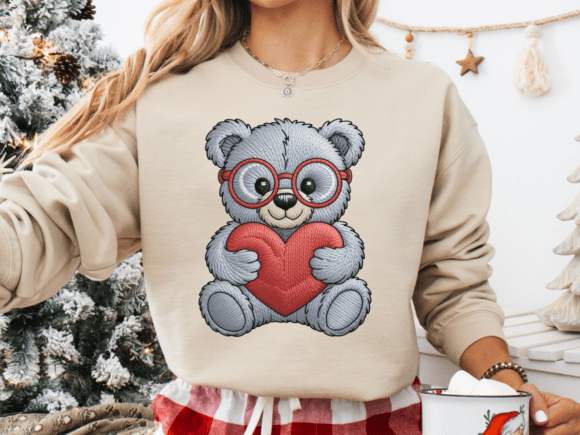
At its core, this design category utilizes high-resolution imagery to replicate the loops, knots, and softness of yarn. When applied to a teddy bear motif holding a love heart, the effect creates an immediate emotional connection. The visual texture suggests care, effort, and comfort—qualities highly sought after during Valentine's Day. Unlike flat vector graphics, a faux yarn design relies on shading and depth to convince the eye that the object is three-dimensional and soft to the touch. This is particularly effective when the final output is a 300 DPI PNG with a transparent background, allowing the "stitched" edges to blend seamlessly onto various substrates like fabric, ceramic, or paper.
The appeal lies in the illusion of craftsmanship. In a world dominated by mass-produced items, consumers increasingly value products that feel personal and artisanal. A Teddy Bear, Valentine's Day Yarn Design taps into the "cottagecore" and rustic trends that have gained significant traction in recent years. It allows a creator to offer something that looks lovingly handmade while maintaining the consistency and speed necessary for modern production schedules.
Perspectives for Small Business Owners and Entrepreneurs
For small business owners, particularly those running print-on-demand stores or selling handmade goods on platforms like Etsy, time is a critical resource. The primary priority here is commercial viability and speed to market. Creating a genuine crocheted teddy bear for every order is impossible at scale. However, using a high-quality sublimation design allows these entrepreneurs to expand their Valentine's Day collections rapidly.
- Product Diversity: A single design file can be applied to t-shirts, sweatshirts, mugs, tumblers, and tote bags, maximizing the return on investment for the asset.
- Brand Consistency: The faux yarn look helps establish a cohesive brand identity centered around warmth and coziness, which can differentiate a shop from competitors using generic clip art.
- Risk Mitigation: Testing new designs with digital prints is far less risky than committing to physical inventory or labor-intensive crafting before validating customer interest.
An entrepreneur might evaluate this design based on its versatility. Can it be resized without losing the texture detail? Does the transparent background ensure clean edges on dark versus light garments? These practical considerations determine whether the design becomes a bestseller or remains unused in a digital folder.
The Hobbyist and Home Crafter Approach
For hobbyists and home crafters, the motivation shifts from profit to personal expression and sentimental value. These individuals often use heat presses, home printers, or cutting machines to create gifts for family and friends. To them, the Teddy Bear, Valentine's Day Yarn Design is a tool for creating memories.
A parent might use this graphic to customize a onesie for a newborn's first Valentine's Day, appreciating the soft, non-threatening look of the yarn texture which complements baby clothing themes. Alternatively, a scrapbooker might incorporate the image into a layout documenting a relationship, valuing the nostalgic feel it adds to the page. For this audience, ease of use is paramount. They need files that work immediately with their existing software and hardware without requiring advanced graphic design skills. The "handmade" look appeals to their desire to give gifts that feel unique and thoughtful, even if the production method was digital.
Educators and Community Leaders
In educational settings or community groups, this type of design can serve as a versatile resource for seasonal activities. Teachers organizing Valentine's parties might use the imagery for classroom decorations, certificates, or invitation cards. The friendly nature of a teddy bear makes it appropriate for all ages, avoiding the overly romantic connotations that some Valentine's imagery carries. Here, the priority is appropriateness and visual engagement. A design that looks textured and interesting can capture children's attention better than a flat, simple drawing.
Evaluating Quality and Technical Requirements
Regardless of the user's role, the technical quality of the Teddy Bear, Valentine's Day Yarn Design dictates its success. Professionals and experienced users will scrutinize the resolution. A 300 DPI standard is non-negotiable for print applications; anything lower risks appearing pixelated, which destroys the illusion of soft yarn texture. The integrity of the transparent background is equally crucial. Poorly masked edges can leave unsightly halos around the design, making it look amateurish on colored apparel.
Flexibility is another key factor. Can the colors be adjusted slightly to match a specific brand palette, or is the design locked? While many faux yarn designs rely on specific color gradients to achieve the 3D effect, having a file format that allows for some manipulation adds significant value. For those focused on long-term usefulness, a design that transcends a single year's trend is ideal. While tied to Valentine's Day, the combination of teddy bears and yarn textures has a timeless quality that can be repurposed for baby showers, birthdays, or general "love" themed projects throughout the year.
Practical Applications Across Mediums
The utility of this design extends beyond standard apparel. Consider the following applications where the faux yarn texture adds unique value:
- Ceramics: Sublimating onto mugs or coasters creates a contrast between the hard, smooth surface and the visual softness of the yarn bear, creating a delightful sensory dissonance.
- Home Décor: Printed on throw pillows or canvas wall art, the design reinforces a cozy living space aesthetic, perfect for winter and early spring interiors.
- Stationery: On greeting cards or planner stickers, the texture adds a layer of sophistication, making the item feel like a boutique purchase rather than a generic store-bought good.
- Digital Content: Bloggers and social media managers can use these graphics to create engaging posts that align with seasonal themes without needing to stage complex photoshoots.
Making the Right Choice for Your Project
Deciding whether to integrate a Teddy Bear, Valentine's Day Yarn Design into your workflow depends on aligning the asset with your specific goals. If you are a beginner, look for designs that come with clear usage licenses and high compatibility with your tools. If you are a professional marketer, focus on the emotional resonance the image creates with your target demographic. Does the faux crochet style align with your brand voice? Is it distinct enough to stand out in a crowded feed?
Ultimately, the value of this design lies in its ability to convey warmth through a digital medium. It solves the problem of wanting a handmade look without the handmade timeline. Whether used to launch a new product line, decorate a classroom, or make a special gift for a partner, the effectiveness of the design comes down to how well it executes the illusion of texture and how appropriately it fits the context of the final project. By understanding these nuances, creators can leverage this charming aesthetic to enhance their work, ensuring that the final result feels as comforting and sincere as a real knitted hug.