Evaluating Religious Design Assets: The Role of High-Resolution Jesus and God Phrases in Modern Sublimation
In the evolving landscape of digital crafting and print-on-demand entrepreneurship, the selection of source imagery is a critical decision point. For creators focusing on faith-based merchandise, the phrase "God, Religious, Jesus" represents more than just a keyword search; it signifies a specific category of design assets intended for spiritual expression. When evaluating these assets, particularly those offered as high-resolution PNG files for sublimation, it is essential to look beyond the surface aesthetics and understand the technical and practical implications of using pre-made designs versus creating custom artwork from scratch.
The core value proposition of a dedicated religious design pack lies in its readiness for production. A standard offering in this niche typically includes a single, high-quality PNG file with a resolution of 300 DPI (dots per inch). This specification is not arbitrary; it is the industry standard for professional printing. When comparing this format to lower-resolution web graphics or vector files that require rasterization, the distinction becomes clear. A 300 DPI PNG ensures that when the image is transferred onto substrates like polyester fabrics, ceramic mugs, or coated metals, the edges remain crisp, and the colors do not appear pixelated or blurry. For an adult creator managing a small business or a serious hobbyist, this technical reliability reduces the risk of wasted materials and failed prints.
Technical Distinctions: PNG Sublimation Files vs. Alternative Formats
When researching design resources, one often encounters a variety of file formats, including JPEG, SVG, EPS, and PDF. Understanding where the "God, Religious, Jesus" PNG sublimation design fits within this ecosystem is vital for making an informed choice. The Portable Network Graphics (PNG) format is uniquely suited for sublimation due to its support for lossless compression and, crucially, alpha channel transparency. Unlike JPEGs, which impose a white or colored background that must be manually removed, a properly prepared PNG allows the design to sit seamlessly on any colored substrate without a bounding box.
Contrast this with vector formats like SVG or EPS. While vectors are infinitely scalable and ideal for cutting machines (such as those used for vinyl decals), they are not directly compatible with sublimation printers without conversion. Converting a vector to a raster image for sublimation introduces potential variables regarding color profiling and resolution settings that can intimidate less technically inclined users. The pre-rendered PNG eliminates this step. It offers a "what you see is what you get" workflow, where the typography, spacing, and graphical elements representing religious themes are already finalized. This trade-off sacrifices the ability to edit individual letter shapes or move graphic elements independently, but it gains significant efficiency in the production timeline.
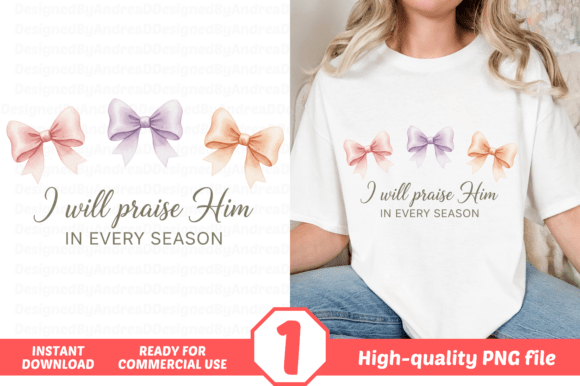
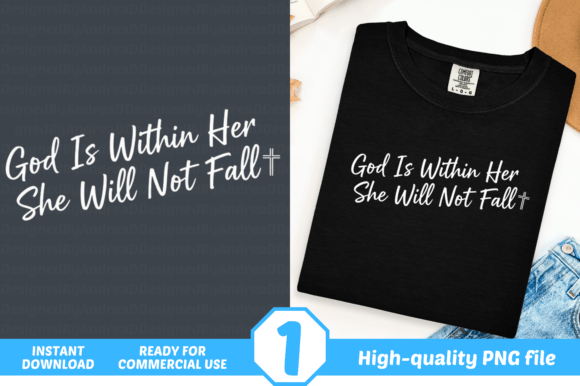
Furthermore, the specific focus on phrases involving "God" and "Jesus" implies a typographic-heavy design style. In sublimation, text legibility is paramount. Poorly kerned fonts or low-contrast text can render a product unreadable once printed. Professional design packs in this category usually undergo rigorous testing to ensure that the font weights and styles chosen maintain clarity even when resized. This is a distinct advantage over generic clip-art collections where text might be an afterthought or poorly integrated with the imagery.
Practical Applications and Material Compatibility
The versatility of a high-resolution religious design extends across a wide array of products, making it a flexible asset for diverse business models. The primary application is apparel, specifically t-shirts and hoodies made from high-polyester blends or poly-cotton mixes. Sublimation dye bonds chemically with polyester fibers, meaning the design becomes part of the fabric rather than sitting on top like a vinyl decal. This results in a soft hand-feel and durability that withstands washing without cracking or peeling. For a design centered on faith, where the message is meant to be worn proudly and frequently, this durability is a significant selling point.
Beyond textiles, the utility of these PNG files shines in hard goods customization. The sublimation process is equally effective on coated ceramics, such as coffee mugs and plates, which are popular items for church groups, Sunday school teachers, and religious holidays like Easter and Christmas. The 300 DPI resolution ensures that fine details in the cross, the dove, or the typography remain sharp on the curved surface of a mug. Additionally, these designs are highly effective for creating framed wall art, coasters, and keychains. The ability to resize the file easily using standard software means a single purchase can generate inventory for multiple product lines, maximizing the return on investment for the designer.
Scrapbooking and card making represent another viable avenue for these assets. While traditional scrapbooking often utilizes physical papers, the modern "hybrid" scrapper uses digital elements printed on high-quality cardstock. A religious phrase design can serve as a focal point for a prayer journal cover or a commemorative card for a baptism or confirmation. The clean background of a PNG allows these elements to be layered over patterned papers without visual conflict, offering a level of customization that pre-printed stationery cannot match.
Evaluating Fit: When to Choose Pre-Made Designs Over Custom Creation
Deciding whether to utilize a pre-made "God, Religious, Jesus" design or to commission a custom piece depends largely on the creator's goals, budget, and timeline. For entrepreneurs looking to launch a store quickly or test a new niche, pre-made sublimation designs offer an immediate entry point. They remove the barrier of needing advanced graphic design skills or expensive software subscriptions. The cost of a single design file is a fraction of the cost of hiring a designer, making it an economically sound choice for startups and side hustles.
However, there are limitations to consider. The most significant trade-off is exclusivity. Since these files are available for purchase by multiple users, there is a possibility that another seller may offer a similar product. For a large-scale brand aiming for unique intellectual property, this lack of exclusivity might be a deterrent. In such cases, investing in custom illustration or hiring a typographer to create a bespoke religious phrase would be the more strategic long-term move. Yet, for the majority of small businesses, crafters, and individuals creating gifts for personal use, the likelihood of market saturation from a single design is low enough that it does not outweigh the convenience and cost savings.
Another factor is the scope of modification. If a user needs to change the wording significantly—for instance, altering a Bible verse reference or combining multiple phrases—a static PNG may be restrictive. While basic resizing and color adjustments (within the limits of the sublimation ink gamut) are possible, fundamental structural changes are not. Users who anticipate needing frequent textual variations should weigh this limitation against the ease of use provided by the finished file. Often, the solution is to purchase a bundle of related designs rather than relying on a single file for all variations.
Maximizing Value Through Strategic Implementation
To truly leverage the potential of a religious sublimation design, one must approach its implementation with a strategy that considers the end-user experience. The emotional resonance of phrases invoking "God" and "Jesus" requires careful placement and product selection. A design that works beautifully on a vibrant, full-color t-shirt might need adjustment when applied to a subtle, pastel-colored tote bag. Understanding color theory and how sublimation inks interact with different base colors is part of the professional evaluation process.
Moreover, the context of usage matters. Designs intended for commercial resale should be checked against the licensing terms of the specific download. Most reputable designers allow for unlimited physical end-products (shirts, mugs, etc.) but prohibit reselling the digital file itself. Adhering to these terms protects the creator from legal issues and supports the ecosystem of digital artists. For those expanding their business, integrating these designs into a broader collection—perhaps grouping them by season, holiday, or specific theological theme—can create a cohesive brand identity that appeals to a targeted demographic.
In conclusion, the "God, Religious, Jesus" PNG sublimation design represents a pragmatic tool in the modern creator's arsenal. It bridges the gap between spiritual expression and commercial viability, offering a high-quality, technically sound foundation for a variety of projects. While it may not offer the infinite malleability of a custom vector illustration, its strengths in resolution, ease of use, and immediate applicability make it an excellent choice for a wide range of scenarios. By understanding the technical specifications, recognizing the appropriate use cases, and acknowledging the trade-offs regarding exclusivity, adults aged 20 to 50 can make informed decisions that align with their creative visions and business objectives. Whether for personal devotionals, community gifts, or a growing print-on-demand enterprise, these assets provide a reliable pathway to bringing faith-inspired messages to life in tangible, lasting forms.