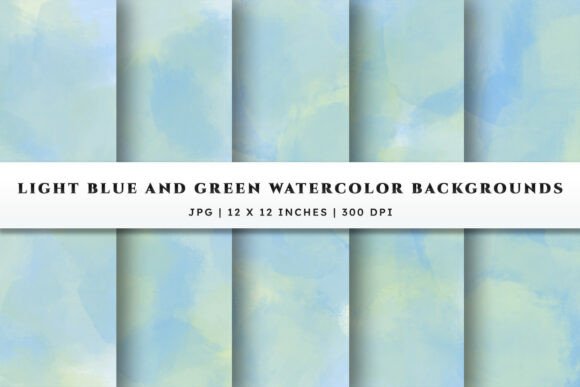
Elevating Your Designs with Watercolor Backgrounds - Pastel Tones
In the rapidly evolving landscape of digital design and handmade crafts, the demand for authenticity has never been higher. Audiences today are increasingly drawn to visuals that feel organic, handcrafted, and emotionally resonant, moving away from the sterile perfection of flat vector graphics. This shift is where Watercolor Backgrounds - Pastel Tones become an essential asset for creators. Specifically, collections featuring light blue and green watercolor backgrounds offer a fresh and calming aesthetic that aligns perfectly with modern preferences for clean, natural looks. These assets are not merely decorative; they are functional tools that bridge the gap between traditional artistry and contemporary digital workflows.
The appeal of soft pastel blue and gentle green washes lies in their psychological impact. In a world saturated with high-contrast screens and aggressive marketing visuals, these muted tones provide a visual respite. They evoke feelings of tranquility, growth, and clarity. For professionals ranging from scrapbookers to small business owners, utilizing a background with smooth watercolor texture and subtle paper detail allows them to infuse their projects with a sense of warmth that stock photography often lacks. This specific style creates a beautiful soft background that serves as a versatile foundation for a wide array of creative endeavors.
The Shift Toward Organic Aesthetics in Modern Design
The trajectory of design trends over the last decade indicates a clear movement toward "humanizing" technology. As artificial intelligence and automated design tools become more prevalent, there is a counter-movement valuing the imperfections and textures of human-made art. Watercolor, by its very nature, is unpredictable and fluid. When digitized into high-resolution files, it retains that organic soul while offering the consistency required for professional production.
This evolution is particularly relevant for crafters using cutting machines like Cricut and Silhouette. These users often seek materials that mimic traditional media without the mess or time commitment of painting from scratch. A pre-made watercolor background allows a hobbyist to create a sticker sheet or a greeting card that looks hand-painted but can be produced in minutes. The integration of subtle watercolor paper detail adds a layer of depth that flat colors simply cannot achieve, making the final product feel premium and thoughtful.
Furthermore, the rise of the "soft life" aesthetic on social media platforms has amplified the popularity of pastel palettes. Brands and influencers are curating feeds that prioritize calmness and mindfulness. Light blue and green tones are central to this visual language, representing sky, water, and nature. By incorporating these elements into branding pieces, planners, or digital products, creators tap into a cultural moment that values mental well-being and simplicity.
Practical Applications for Entrepreneurs and Creators
For small printable business owners, efficiency is just as critical as aesthetics. The practical implications of using a dedicated set like Watercolor Backgrounds - Pastel Tones are significant. Instead of spending hours mixing paints, scanning results, and editing out imperfections, a designer can immediately access high-quality JPG files that are ready for deployment. This efficiency allows entrepreneurs to focus on product development, marketing, and customer engagement rather than getting bogged down in asset creation.
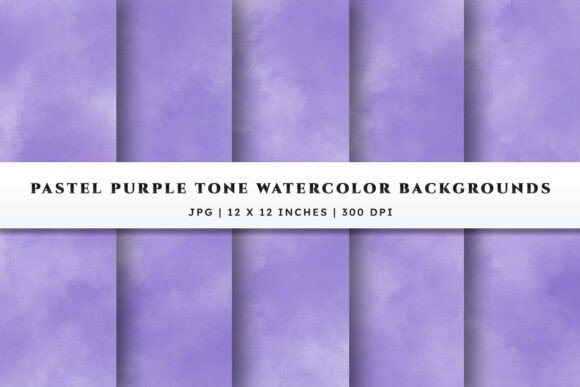
Consider the versatility required in modern business operations. A single background set might need to serve multiple purposes: acting as the cover for a digital planner, the backing for a set of wedding invitations, or the base for a line of custom labels. The collection described here, featuring 5 unique backgrounds at 12 × 12 inches, provides enough variety to maintain visual interest across different products while ensuring brand cohesion through a consistent color palette.
The technical specifications play a crucial role in this utility. With a resolution of 300 DPI, these files are optimized for print. This is a non-negotiable standard for anyone selling physical goods. Low-resolution images may look acceptable on a smartphone screen but will appear pixelated and unprofessional when printed on cardstock or vinyl. High-resolution files ensure that the smooth watercolor texture and paper details remain crisp, whether the output is a large poster or a small sticker. Additionally, because these are JPG files, they are universally compatible with almost every design software, from Adobe Photoshop and Illustrator to free tools like Canva and browser-based editors used by Cricut Design Space.
Streamlining the Workflow for Digital and Print Products
The workflow for integrating these backgrounds is straightforward, catering to both tech-savvy designers and those just starting their creative journey. Since all files are compressed into a single ZIP file, organization is simplified. Once extracted, the user can drag and drop these assets directly into their canvas. The "no extra editing needed" characteristic is a major time-saver. Many free or low-cost textures require significant color correction or layer masking to look good. In contrast, a curated pastel set arrives balanced and ready to use.
Let's explore some specific scenarios where these backgrounds excel:
- Invitations and Stationery: For wedding or baby shower invitations, the gentle green and blue washes set a serene tone before the guest even reads the text. The texture adds a tactile quality to the digital proof, suggesting high-quality paper.
- Digital Planners and Journals: The productivity market is huge, and users want planners that are pleasing to look at for hours. A soft background reduces eye strain compared to stark white pages, while the artistic element makes the act of planning feel more like a creative ritual.
- Product Branding and Labels: Small businesses selling soaps, candles, or organic foods often benefit from packaging that screams "natural." A watercolor background implies ingredients that are pure and gentle, aligning the visual identity with the product's value proposition.
- Social Media Content: Bloggers and educators can use these backgrounds for quote cards, story highlights, or post templates. The consistent palette helps in building a recognizable personal brand.
Adapting to Changing User Expectations
User expectations regarding digital content have shifted dramatically. Consumers are more discerning about the quality of visuals they interact with. They can instinctively tell the difference between a generic, overused template and a design that feels curated and unique. Using a specialized set of watercolor backgrounds signals to the audience that attention was paid to the details.
Moreover, the flexibility of digital watercolors allows for experimentation without risk. A designer can overlay text, add vector illustrations, or apply filters to see how the background interacts with other elements. The light, modern, and refreshing style of pastel tones acts as a neutral yet characterful stage. It supports the foreground content without competing with it. This balance is often difficult to achieve with busy patterns or dark, heavy textures.
It is also worth noting the environmental aspect of digital textures. By using digital watercolor backgrounds, artists reduce the physical waste associated with traditional painting—no wasted paper, no dried-out tubes of paint, and no water consumption. For the eco-conscious creator, this is a meaningful way to maintain an artistic output while minimizing their footprint.
Maximizing Value Through Versatility
The true value of a resource like Watercolor Backgrounds - Pastel Tones is realized when it is used across multiple facets of a project or business. A cohesive visual identity strengthens brand recognition. If a company uses the same soft blue wash on their website header, their Instagram stories, and their physical business cards, they create a unified experience for their customers.
For educators and course creators, these backgrounds can transform dry instructional slides into engaging visual lessons. The calming nature of the colors can help reduce learner anxiety and improve focus. Similarly, for therapists or coaches creating worksheets, the gentle aesthetic reinforces the supportive nature of their services.
When selecting assets for your toolkit, always verify the license and usage rights, but generally, high-quality packs like this are designed to empower users. The inclusion of 5 distinct variations ensures that you aren't forced to use the exact same image repeatedly, preventing visual fatigue among your audience. The 12 × 12 inch dimension is particularly strategic, as it matches standard scrapbooking paper sizes and is easily scalable for larger formats due to the high DPI.
In conclusion, the integration of light blue and green watercolor backgrounds into your creative repertoire is more than just a stylistic choice; it is a strategic decision. It addresses the modern desire for authenticity, streamlines production workflows, and enhances the perceived value of both digital and physical products. Whether you are a seasoned graphic designer, a weekend crafter with a Cricut, or an entrepreneur launching a new brand, these tools provide the foundation for creating work that is not only visually stunning but also emotionally connective. As we move forward in a digital-first world, the elements that remind us of the human touch—like the grain of paper and the flow of watercolor—will remain indispensable.